Beef Fat in a Mason Jar: My Kitchen Experiment With Homemade Tallow Balm
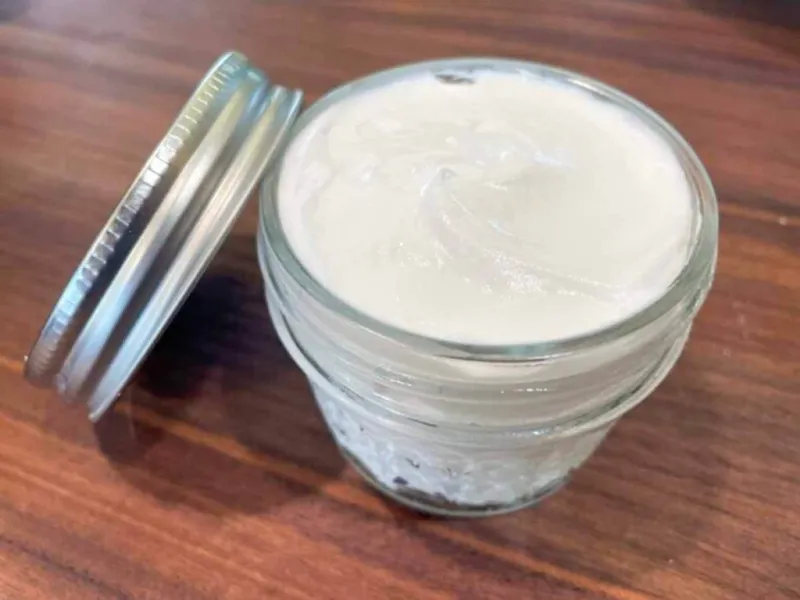
Photo: whipped tallow balm in glass jar homemade skincare, via ardaacres.com
Let's address the elephant in the kitchen: I put beef fat on my face. On purpose. And I'm here to tell you it was less 'frontier weirdness' and more 'why did I pay $48 for the store version?'
If you've been anywhere near the ancestral skincare corner of the internet lately, you've seen tallow balm popping up everywhere — farmers markets, Etsy shops, that one aunt who's always three trends ahead. The pitch is simple: before petroleum jelly and fifteen-step routines, people moisturized with rendered animal fat, and their skin was fine. Great, even, if you believe the testimonials.
Skeptical is my default setting, so I decided to test the whole thing myself, starting from a lump of raw suet I bought for eight bucks at the Saturday farmers market in my town.
First, the Ick Factor — Let's Just Talk About It
Yes, it's fat from a cow. No, it doesn't make you smell like a burger. That was my biggest fear going in, and honestly, it almost stopped the whole project before it started.
Here's the thing nobody mentions: properly rendered, purified tallow has almost no scent at all. It's mildly... waxy? Warm? Like an unscented candle that's been sitting in a sunny window. Add a few drops of lavender or frankincense essential oil at the end and it's genuinely pleasant. The 'ick' lives entirely in your head, and it evaporates somewhere around the first time you feel how soft your hands are afterward.
The Rendering, Step by Step
This is the part that sounds intimidating and mostly involves patience.
1. Chop and prep. I cut my pound of grass-fed suet into small chunks — the smaller, the faster it melts. Some folks pulse it in a food processor. I don't own a food processor I trust with this job, so a sharp knife and a podcast did the trick.
2. Low and slow. Everything goes into a heavy pot or, better, a slow cooker on low. No water, no rushing. Over two to three hours, the fat slowly melts and releases, leaving behind crackly little bits called cracklings (yes, like the pork kind — some people eat them, I did not).
3. Strain it clean. Pour the liquid fat through a fine mesh strainer or cheesecloth into a heat-safe jar. This step matters. Any leftover solids are what cause that off smell people complain about, so strain twice if you're nervous. I was nervous. I strained twice.
4. The optional purification round. Some recipes call for a salt water wash or a low re-melt with a bit of baking soda to neutralize any lingering beefiness. I skipped it and got lucky — good quality suet from a grass-fed source tends to be mild. If yours smells strong, a second gentle melt and strain usually fixes it.
5. Whip it. Once the tallow cooled to room temp and turned opaque, I scooped it into a bowl with a couple tablespoons of olive oil and a few drops of essential oil, then beat it with a hand mixer for about five minutes. It fluffed into something that looks suspiciously like frosting. I texted a friend a photo. She blocked me for an hour.
The Cost Math Will Make You Annoyed
Let's tally it up. One pound of grass-fed suet from my farmers market: $8. A splash of olive oil from the pantry: call it $0.50. A few drops of essential oil: pennies. Small mason jars I already owned: free.
Total yield was roughly two full jars of balm — call it $4.25 apiece. The commercial whipped tallow balms sold online run $30 to $60 a jar. The luxury moisturizer I'd been using sits at $48 for 1.7 ounces. I'll let you sit with that math the way I had to.
How It Actually Performs
Texture-wise, whipped tallow is dense but melty. It warms on contact and sinks in slower than your typical lotion — this is not a pump-bottle situation. You need a pea-sized amount, and for the first ten minutes your skin has a slight satiny finish. Then it settles in and just... stays.
I used it on my face, elbows, and knuckles for three weeks. My results, honestly reported:
- Knuckles and elbows: Dramatic improvement. This is where tallow shines — thick, cracked winter skin drinks it up.
- Face: Very good, with a caveat. My cheeks loved it. My chin, which is prone to congestion, needed me to go easy on the amount.
- Longevity: One application lasted noticeably longer than my regular moisturizer. I was reapplying less throughout the day.
Is it magic? No. It's a fatty acid profile that happens to resemble the lipids in human skin, which is why it absorbs so comfortably. That's the legit science under the trend. The hype — that it's a miracle cure for everything — is where I'd pump the brakes.
Who Should Actually Try This
If you have dry, reactive, or winter-beaten skin, and you're not put off by a small kitchen project, this is one of the highest-reward DIYs I've done. If your skin runs oily or acne-prone, patch test carefully or skip it. And if the idea of animal products in your routine doesn't sit right with you, that's a completely valid line to draw — shea and mango butter do beautiful work too.
For me, though, the real payoff wasn't just the balm. It was the small, slightly smug satisfaction of turning eight dollars of farmers market suet into something better than what's in the fancy jar. My grandmother would have called this common sense. The internet calls it ancestral skincare. Either way, my elbows have never looked better.