Seven Jars, Zero Stress: The Minimalist Clean-Eating Kitchen That Actually Works
Raise your hand if you've ever pinned a 'clean eating starter guide' that required you to buy chia, flax, hemp hearts, nutritional yeast, coconut aminos, AND something called maca powder — all in one shopping trip. Yeah, us too.
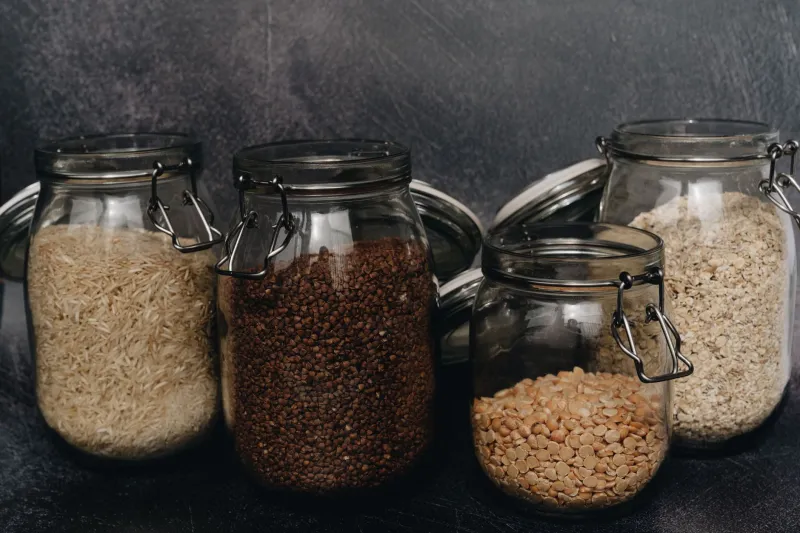
Here's the truth nobody on Instagram wants to admit: you don't need a health-food store's worth of inventory to eat well. You need a handful of genuinely versatile ingredients that can pivot from morning to midnight. We call it the seven-jar kitchen, and once you build it, clean eating stops feeling like a part-time job.
Why Minimalism Beats the Mega-List
There's a sneaky downside to over-stocking. Studies on household food waste suggest that the average American family tosses out hundreds of dollars' worth of groceries every year, and specialty items with one intended use are usually the first casualties. That half-bag of quinoa flour from your January smoothie phase? Exactly.
A tight pantry does three things:
- Cuts waste — you actually finish what you buy
- Lowers decision fatigue — fewer choices, faster cooking
- Keeps your budget honest — staples are cheaper than superfood novelties
The Seven Staples
1. Rolled oats. Not just for breakfast. Oats thicken smoothies, bulk up meatloaf, and become overnight oats with zero effort.
2. Dried brown lentils. Cheap, shelf-stable, and packed with plant protein. A pot of lentils on Sunday becomes tacos, soups, and salads all week.
3. Extra-virgin olive oil. Your single best fat for roasting, sautéing, and finishing. Skip the boutique stuff until you've used the basics.
4. Canned crushed tomatoes. The backbone of pasta sauce, chili, shakshuka, and braised beans. Look for cans marked BPA-free.
5. Brown rice. A neutral base that plays well with everything above. Cook a big batch and refrigerate it — reheated rice actually has a lower glycemic impact.
6. Garlic and onions. Okay, technically two ingredients, but they live in the same bowl and they're the flavor engine of nearly every dish you'll make.
7. Frozen vegetables. Flash-frozen at peak ripeness, often more nutrient-dense than the 'fresh' produce that's been trucked across the country. Spinach, broccoli, and a stir-fry blend cover your bases.
Shopping Smart Without the Sticker Shock
Organic staples don't have to mean premium prices:
- Trader Joe's is quietly one of the best places for affordable organic oats, olive oil, and frozen veggies — their store-brand staples routinely undercut name brands.
- Whole Foods — shop the 365 house brand and hit the bulk bins for lentils and rice; buying exactly what you need means nothing goes stale.
- Farmers markets near the end of the day, vendors often discount produce. Ask about 'seconds' — ugly onions taste the same.
Pro tip: build your list around what's on sale that week, not what a meal-prep influencer bought. Flexibility is the whole point.
Five Meals From the Jars
- Savory oat bowl — oats cooked with garlic and olive oil, topped with sautéed frozen spinach and a fried egg if you've got one.
- Weeknight lentil soup — onions, garlic, crushed tomatoes, lentils, water, simmer 30 minutes. Done.
- Rice and tomato pilaf — toast rice in olive oil, add crushed tomatoes and a splash of water, cover and steam.
- Veggie fried rice — day-old rice, frozen vegetables, garlic, a drizzle of olive oil.
- Lentil 'bolognese' — lentils simmered in crushed tomatoes with garlic and onion over brown rice or whatever pasta is hiding in the back of the cupboard.
None of these require a recipe card taped to the fridge. That's the point.
Start Small, Stay Natural
Clean eating was never supposed to be a shopping sport. When your kitchen runs on a few honest ingredients, you cook more, stress less, and waste almost nothing. Seven jars. That's the whole system.
Your turn: what's the one staple you'd never give up? Drop it in the comments — we're always refining the list.