I Quit Every 'Wellness' Product for a Month — Here's What Actually Came Back
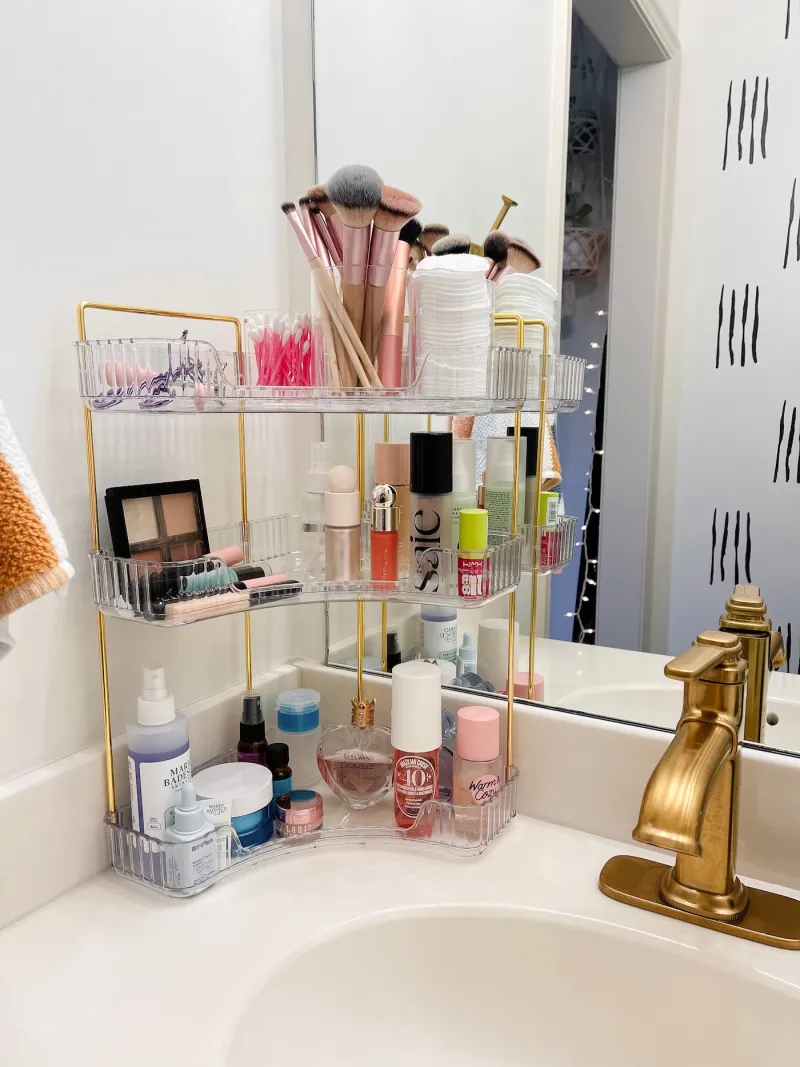
Photo: empty bathroom counter with skincare products in a cardboard box decluttering, via lifelovelarson.com
On the first of the month, I did something that felt almost rebellious: I boxed up every wellness product I owned. The ashwagandha gummies. The magnesium sleep spray. The facial mist I bought after seeing it in three different Target hauls. The turmeric capsules, the collagen creamer, the elderberry syrup, the cute little tincture bottle of something I genuinely could not remember the purpose of.
Everything went into a shoebox under my bed. The rules were simple — for 30 days, no supplements, no tinctures, no tonics, no fancy anything. Just food, water, sleep, and movement. If my body truly needed something, I'd figure it out from there.
I'll be honest: I expected to feel worse. What I didn't expect was how much I'd learn.
Week One: The Panic Is Real (and That's Telling)
The first few days were uncomfortable, but not physically. Every time I felt a little foggy or tired, my brain reached for a product. Maybe I need the B12. Maybe the adaptogens were doing something.
That's when it hit me — half my wellness routine wasn't really about my body. It was about my anxiety. The products were a security blanket. I wasn't taking magnesium because I'd identified a deficiency; I was taking it because the internet told me I might be deficient, and buying the spray felt like doing something.
Once the option was gone, I had to actually pay attention to how I felt. Which, it turns out, is a skill. One I'd been outsourcing.
What My Body Actually Missed
By week two, a few patterns emerged, and they were humbling in their boringness.
Sleep was the big one. Without the sleep spray, I had to fix the actual problem — which, for me, was doomscrolling until midnight. I put my phone in the kitchen and started reading paperbacks instead. Better sleep within a week. No shelf required.
Protein, not powder. I noticed I was dragging mid-morning, and my instinct was to reach for a greens powder. Instead I ate actual breakfast — eggs, some fruit, occasionally leftover roasted sweet potatoes from the fridge. The dragging stopped. The fix was lunch, not supplements.
Movement was my real mood supplement. The afternoon slump I'd been fighting with caffeine and nootropics? A 15-minute walk around the block handled it better than anything in my shoebox.
The Stuff That Came Back
I won't pretend the experiment made me a total minimalist. Three things earned a genuine return by the end of the month:
- Vitamin D in winter. I live in the Midwest, and by November there's no sun to be had. My doctor had flagged low levels before, and this one's backed by an actual blood test, not a TikTok. It stays.
- A single face oil. My skin got dry and cranky without anything. One bottle of cold-pressed jojoba from the co-op handles it. One bottle, not seven.
- Chamomile tea at night. Less a remedy, more a ritual. But a ritual that costs four dollars and works better than my old sleep stack? Keep it.
Everything else — the gummies, the sprays, the powders — the shoebox eventually went to a friend who was excited to have it. Nothing about giving it away felt like a loss.
A Simple Test Before Anything Earns a Spot
If you're curious about your own wellness shelf, here's the framework I landed on. Before a product comes back (or before you buy the next one), ask:
- Can I name the specific problem it solves? Not "immunity" or "balance" — an actual, observable thing.
- Have I tried fixing it with food, sleep, or movement first? Because those three handle more than the industry wants you to believe.
- Is there evidence beyond a testimonial? A blood test, a doctor's visit, real research.
- Would I notice if it were gone? This was the big one for me. Most of my products failed this test spectacularly.
The Quiet Takeaway
Here's the thing nobody selling wellness products wants to admit: the fundamentals are unglamorous and they're free or close to it. Water. Real meals. A walk. A consistent bedtime. My month without products didn't make me healthier because I discovered some secret — it made me healthier because it forced me to actually do the basics I'd been sprinkling powder over.
The wellness industry in the US is worth hundreds of billions of dollars, and an uncomfortable amount of it is built on convincing us that feeling fine requires a purchase. It mostly doesn't. Your grandmother's advice — eat vegetables, go outside, sleep — was never monetized, so it never went viral.
Keep what works. Question the rest. And if you're brave enough, try the shoebox test yourself. You might be surprised by how little comes back.