Your Lawn Is Full of Medicine (and You've Been Paying to Kill It)
Somewhere in America right now, a homeowner is dropping forty bucks on weed killer. A few states over, an herbalist is paying twelve dollars for a bag of dried dandelion leaf at a natural foods co-op.
Same plant. Same week. That's the strange irony of the humble lawn weed — many of the plants we spray, pull, and curse were once standard items in the medicine chest. Not folk trivia, either. Pharmacopoeias. Apothecary shelves. Doctor's orders.
I spent a few weeks digging into three of the most common offenders — dandelion, plantain, and chickweed — to find out what history claims, what research actually supports, and where the line sits between a fun backyard remedy and a reason to call your doctor.
Dandelion: The One Everyone Knows
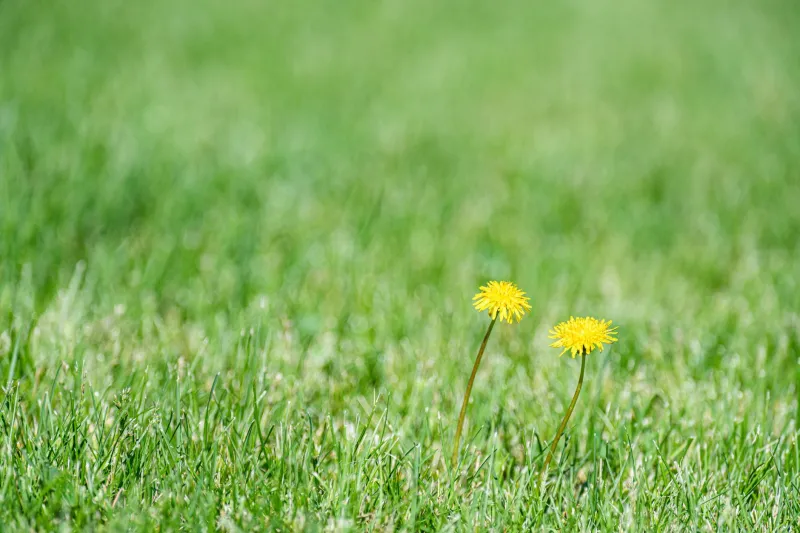
If you've got a lawn, you've got dandelion. Every part of it has been used: roots as a bitter tonic for digestion, leaves as a spring green and gentle diuretic, flowers steeped into wines and salves.
The traditional use is well documented — European herbalists prescribed dandelion root for sluggish digestion and liver complaints, and early American settlers brought the plant here intentionally. Yes, on purpose. It was considered valuable enough to pack for a transatlantic voyage.
Modern research is cautiously interested. Lab and animal studies suggest dandelion compounds have anti-inflammatory and antioxidant activity, and a small human study found dandelion leaf extract increased urination — consistent with its traditional diuretic use. What we don't have yet are large, rigorous clinical trials. So think of dandelion as a nutritious food with promising early science, not a treatment for anything.
How to try it: Young leaves in a salad (they're more bitter late in the season), or roots dried and simmered as a tea. Harvest from areas you know haven't been sprayed with herbicides or treated with pesticides — never the edge of a parking lot or a sprayed subdivision lawn.
Plantain: The Backyard Band-Aid
Not the banana-like fruit — plantain (Plantago major and Plantago lanceolata), the low rosette of ribbed leaves that thrives in compacted soil, sidewalk cracks, and everywhere kids play.
This one might be the most beloved weed in herbal tradition. Crushed fresh leaves were applied directly to bug bites, stings, minor cuts, and blisters — a practice sometimes called a "spit poultice," because, well, that's how it was made. Native American nations used various plantain species for wounds and skin irritation, and settlers quickly adopted the habit.
Here's where it gets interesting: modern lab studies have found anti-inflammatory and antimicrobial compounds in plantain leaf, including aucubin, and some research supports wound-healing activity in animal models. There's a plausible reason those old remedies felt like they worked.
How to try it: For a mosquito bite or bee sting, wash a leaf, chew or crush it, and hold the pulp against the skin for a few minutes. It won't replace hydrocortisone for a serious reaction — more on that below — but as a trailside comfort measure, it's stood the test of time.
Chickweed: Spring's Little Green Gift
Chickweed (Stellaria media) shows up in early spring as a mat of tiny leaves with delicate white flowers, and it disappears by summer. Traditional herbalists used it in cooling poultices for itchy, irritated skin, and ate the tender greens in salads — it's mild, slightly sweet, and genuinely pleasant.
The research here is thinner than the other two, mostly lab studies on chickweed extracts showing anti-inflammatory and antioxidant activity in vitro. But as a food, it's simply a nutrient-dense wild green, and as a skin soother, it has centuries of gentle use behind it.
How to try it: Toss fresh tops into salads or blend into pesto. For skin, an infused oil (chickweed steeped in olive oil for a few weeks) makes a simple salve base. As always, harvest clean, unsprayed patches.
The Fine Print: Foraging Safely
A few non-negotiables before you graze your lawn:
- Identify with certainty. Use a regional field guide or a plant ID app as a starting point, and when in doubt, don't. Some lookalikes are genuinely dangerous.
- Know your soil's history. Herbicides, pesticides, pet traffic, and road runoff all concentrate in lawn plants. Only harvest from spots you control or know are untreated.
- Start small. Even edible plants can cause reactions in some people. Try a little, wait, see.
- Skip it if you're pregnant, nursing, or on medications without checking with your doctor first — dandelion in particular can interact with diuretics, lithium, and certain antibiotics.
When a Weed Isn't Enough
Let's be clear about the limits, because this is where natural living gets people hurt. A crushed plantain leaf is fine for a mosquito bite. It is not fine for an infected wound, a spreading rash, or an allergic reaction. Dandelion tea is a pleasant ritual; it is not a treatment for liver disease, and if you have gallstones or a blocked bile duct, it can actually make things worse.
The honest framing: these plants are food and first-aid comfort, backed by tradition and early-stage science. Anything serious, persistent, or getting worse belongs with a medical professional. The best version of natural living isn't plants instead of doctors — it's knowing which tool fits which job.
The Takeaway
There's something quietly satisfying about looking at a dandelion and seeing dinner and a tea, instead of a weekend of spraying. Your great-great-grandparents knew these plants by name. A little relearning doesn't cost a cent — just a pair of knees, a field guide, and a lawn you haven't nuked yet.