Clearing Out the Cabinet: A No-Panic Guide to Going Natural, One Shelf at a Time
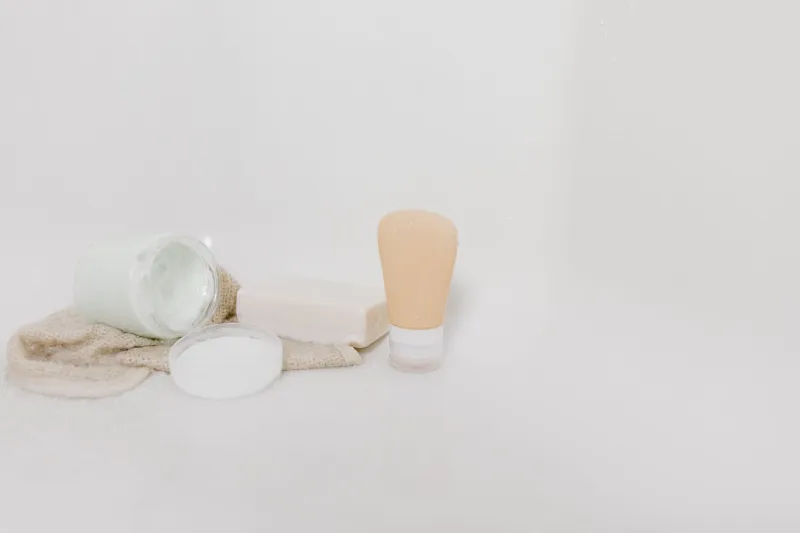
There's a moment in every natural-living journey when you open the bathroom cabinet, stare at the wall of half-used products, and feel the urge to bag it all up for the trash. Resist that urge. The all-or-nothing purge almost always backfires — you toss perfectly good (and expensive) stuff, panic-buy a dozen replacements you haven't researched, and end up with a cabinet full of products that don't work for you.
A better approach? Treat it like a slow sunset. Things fade out as better options fade in. Here's how to do it without the drama.
Start With What's Actually Expired
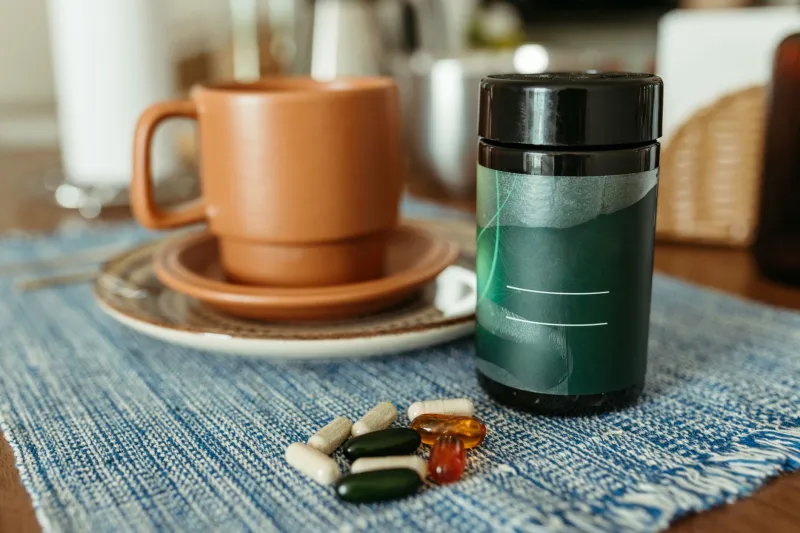
Before you think about "clean" versus "conventional," deal with the basics. Medications, sunscreen, and liquid vitamins all have real expiration dates that matter — expired sunscreen may not protect you, and old antibiotics lose potency. Check the FDA's guidance on drug take-back programs (many pharmacies have drop-off bins) rather than flushing or tossing meds in the trash.
Makeup and skincare are murkier. As a general rule:
- Mascara and liquid eyeliner: 3 months
- Liquid foundations and serums: 6–12 months
- Creams and balms in jars: 12 months (your fingers introduce bacteria every time you dip in)
- Bar soap and pure oils: practically forever
If something smells off, separates weirdly, or changed color, it goes. No debate.
The Priority List: Replace These First
Not all swaps are equally urgent. Your skin is your largest organ, and some products have far more contact time — and far longer ingredient lists — than others. In my experience, this order makes the most sense:
1. Deodorant. It sits on thin, absorbent skin all day, every day. Natural deodorants have come a long way; look for magnesium hydroxide or zinc ricinoleate if baking soda irritated you in the past (it irritated a lot of us).
2. Body lotion. You're coating the most skin surface area with this one. A simple option like unscented lotion with a short ingredient list, or plain shea butter, covers the basics beautifully.
3. Lip balm. You ingest some of this whether you mean to or not. Beeswax-based balms with recognizable ingredients are an easy, affordable win.
4. Fragrance-heavy body wash. "Fragrance" can hide dozens of undisclosed chemicals. An unscented castile-based wash or a simple bar of soap does the same job.
5. Everything else. Face products, specialty treatments, hair stuff — replace these one at a time, when they run out.
The One-In, One-Out Rule
Here's the budget-friendly secret nobody markets to you: use things up. When your conventional moisturizer hits empty, that's your window to try a natural alternative. One product in, one product out. Your wallet stays intact, and you get to properly test each swap instead of juggling five new products at once (which also makes it impossible to know what's actually working).
Swaps That Actually Perform
Nothing kills a natural transition faster than a replacement that doesn't do its job. These are the swaps I'd stand behind:
- Coconut oil or shea butter for body moisturizer — cheap, effective, one jar lasts months
- Witch hazel (alcohol-free) as a gentle toner
- Raw honey as a occasional face wash for dry skin — it's humectant and surprisingly gentle
- Apple cider vinegar diluted 1:4 with water for a scalp rinse
- Castile soap diluted for everything from hand wash to cleaning your makeup brushes
And the ones to skip: DIY sunscreen (you can't verify the SPF, and sun damage is real), undiluted essential oils on skin, and lemon juice as a toner. Natural doesn't mean risk-free.
Your 30-Day Transition Checklist
Print this, stick it on the mirror, and check things off as you go:
Week 1: Toss anything expired. Note what's running low. Drop off old medications at a take-back site.
Week 2: Swap your deodorant and body wash when they run out. Use up existing products instead of pitching them.
Week 3: Replace lip balm and body lotion. Read labels on what remains — flag anything with "fragrance" as a future swap.
Week 4: Choose one face product to replace. Donate unopened products you know you won't use (women's shelters and some nonprofits accept them).
Progress Over Purity
The cabinet doesn't need to be perfect by day 30. It needs to be heading in the right direction, with products you actually like and will use to the last drop. That's the whole game — small, intentional swaps that stick, instead of a purge you'll regret and repurchase your way out of.
Your future self, standing in front of a cabinet full of things that work, will thank you for taking it slow.