The Great Supplement Shelf Audit: What Actually Earned a Spot in My Cabinet
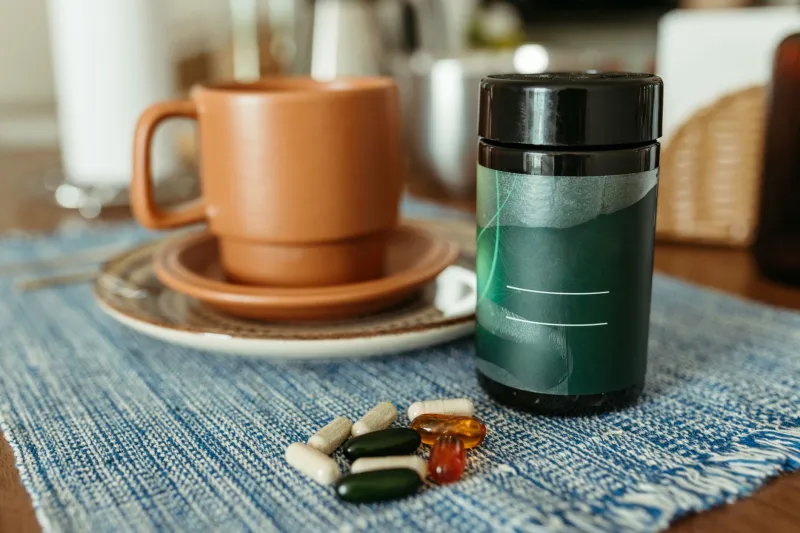
Last Sunday I did something mildly humiliating: I pulled every bottle, tub, and pouch of supplements out of my cabinet and lined them up on the kitchen table. Fourteen items. Fourteen! Some were nearly full. One expired in 2023. A collagen powder I don't remember buying stared back at me like a guilty conscience.
If you've ever wandered down the supplement aisle at a natural foods store — or worse, fallen down a wellness-influencer rabbit hole at 11 p.m. — you know how this happens. One minute you're a functional adult, the next you own mushroom coffee, three kinds of magnesium, and a tincture you can't pronounce.
So I did an audit. Here's what stayed, what went, and what I'd tell a friend starting from zero.
The Keepers: Boring, Cheap, and Actually Backed by Evidence
Vitamin D3. Unless you're living in Miami and sunbathing daily, there's a decent chance you run low in winter. It's inexpensive, the research on bone and immune health is solid, and a simple blood test at your annual checkup can tell you whether you need it. Mine stays.
Magnesium (glycinate or citrate). This one surprised me. Most of us don't hit the recommended intake through food alone, and magnesium glycinate in the evening genuinely helped me wind down. Skip the fancy "sleep blends" that are just magnesium plus a markup.
Omega-3s (fish oil or algae). If you eat fatty fish twice a week, skip it. If you don't — and most Americans don't — an algae-based option is a reasonable stand-in. Look for third-party testing seals, not celebrity endorsements.
Creatine. Yes, the gym-bro staple. It's one of the most studied supplements on earth, it's cheap, and the benefits extend beyond muscle to brain health in emerging research. It's unglamorous, which is exactly why it survives the audit.
The Expensive Marketing: Where My Money Went to Die
Collagen powders. I wanted so badly for these to work. The honest take: your body breaks collagen down into amino acids like any other protein — it doesn't magically travel to your face. If you like it as a protein boost, fine. Just don't expect the glow the label promises. Eating enough protein overall does more.
Ashwagandha everything. The research on stress and cortisol is genuinely interesting, but the doses in trendy gummies and lattes are often a fraction of what studies used. If you're curious, try a standardized extract from a reputable brand — and talk to your doctor first, especially if you take thyroid or anxiety meds.
"Immune blend" capsules. If a product promises to "boost" your immune system, run. Your immune system isn't a car battery. Elderberry syrup tastes nice and vitamin C is fine, but the $40 proprietary blends are where supplement budgets go to evaporate.
Detox anything. Your liver already has this job. It's very good at it. No powder required.
The $40 Starter Shelf
If I were starting over — or advising a friend overwhelmed by the wellness aisle — here's the whole list:
- Vitamin D3 (unless your bloodwork says otherwise)
- Magnesium glycinate for evenings
- An omega-3 source — algae if you're plant-based
- Creatine monohydrate if you're active
That's it. That's the shelf. It costs less per month than one trendy adaptogen latte habit, and every item has real research behind it.
A Few Ground Rules Before You Buy Anything
- Supplements supplement. They fill gaps in an already decent diet — they don't rescue a terrible one. Start with sleep, vegetables, and movement before bottles.
- Look for third-party testing. NSF Certified for Sport or USP Verified seals mean what's on the label is actually in the bottle.
- Tell your doctor. Supplements interact with real medications. Ashwagandha, St. John's wort, and high-dose omega-3s are the usual suspects.
- Buy small. If a supplement hasn't earned a repurchase after one bottle, it didn't work. That's your answer.
The most radical thing about my post-audit cabinet is how quiet it is now. Four bottles, one shelf, no 2 a.m. purchasing decisions. Turns out the wellness industry's best-kept secret is that most of us need a lot less than it wants to sell us.
This article is for informational purposes only and isn't medical advice. Check with your healthcare provider before starting any supplement, especially if you're pregnant, nursing, or taking medications.