How to Shop a Farmers Market Like You've Done It Your Whole Life
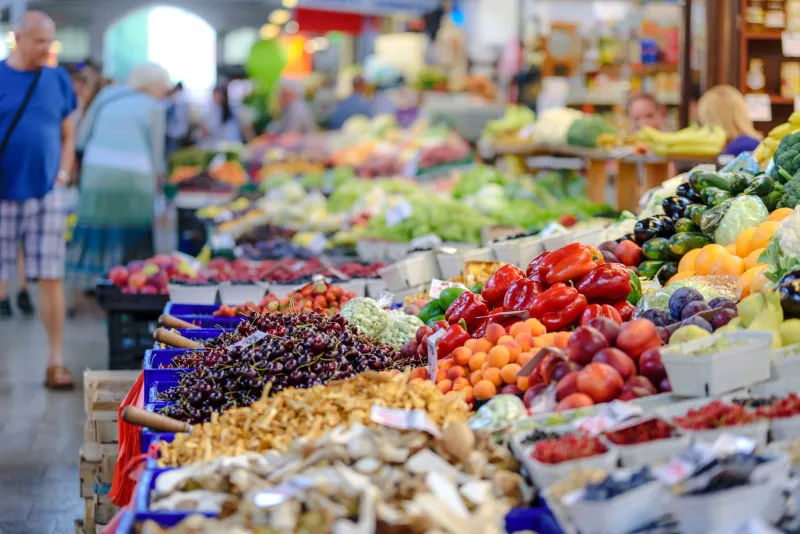
There's a specific kind of panic that hits when you're standing at a farmers market at 9 a.m. holding a tote bag, $25 in cash, and absolutely no plan. Everything looks good. Nothing has prices. The tomatoes are gorgeous but is it even tomato season?
I've been that person more times than I'd like to admit. So I built myself a cheat sheet — what's actually in season by region, how to tell the real organic growers from the resellers, and how to make one modest haul feed you all week. Save this one to your phone.
What's Peak-Fresh, Region by Region
Northeast (New England, NY, PA): Spring means asparagus, ramps, fiddleheads, and radishes. Summer is the jackpot — heirloom tomatoes, sweet corn, blueberries, and zucchini by the truckload. Fall brings apples, winter squash, Brussels sprouts, and cider donuts you pretend you're not buying. Winter markets lean on storage crops: beets, carrots, potatoes, and greenhouse greens.
South (Georgia through Texas): You get an earlier start. Spring strawberries and Vidalia onions, then peaches (Georgia and South Carolina, obviously), okra, field peas, and melons through summer. Fall means sweet potatoes, pecans, collards, and citrus starting late in the season in the Gulf states.
Midwest: Sweet corn and tomatoes define July and August — eat them within days, they don't wait. Spring brings morels, asparagus, and rhubarb. Fall is apples, squash, and honeycrisp season, which Midwesterners treat with appropriate reverence. Winter markets feature root vegetables, eggs, and grass-fed meats.
West Coast (California, Oregon, Washington): Honestly, the easiest region — something is always in season. Citrus and avocados in winter, strawberries and artichokes in spring, stone fruit and berries all summer, and apples, figs, and hardy greens into fall and winter. Pacific Northwest markets shine with berries, mushrooms, and hazelnuts.
How to Spot an Actual Organic Grower
Here's something nobody tells you: not every vendor at a farmers market grew what they're selling. Some buy wholesale produce and resell it. A few ways to tell the difference:
- Ask "When was this picked?" Real farmers answer instantly and specifically. "Tuesday" or "this morning" is a great sign. Vague answers are not.
- Look for imperfect produce. Genuine small farms have cosmetically imperfect carrots and the occasional scab on an apple. Identical, wax-shiny everything is a red flag.
- Check for certified organic or Certified Naturally Grown signage — but don't stop there. Many small farms use organic practices without paying for certification because it's expensive. Ask about their approach: "Do you spray? What do you use for pests?" Farmers love this question.
- Seasonality is the tell. If a vendor in Ohio is selling fresh tomatoes in April, they didn't grow them.
Making Your Haul Last
The fastest way to waste farmers market money is bad storage. A few habits that changed my life:
- Don't wash anything until you're ready to eat it. Moisture is the enemy. Wash berries right before eating, not when you get home.
- Greens go in a bag with a dry paper towel. They'll last twice as long in the crisper drawer.
- Tomatoes never go in the fridge. Cold ruins their flavor. Counter, stem-side down, no exceptions.
- Herbs are flowers. Trim the stems and put them in a jar of water like a bouquet — except basil, which prefers the counter.
- Roast or soup the wilting stuff. That softening squash and those tired carrots? Sheet pan, olive oil, 425°F, done.
The $25, Five-Meal Plan
Here's a real haul from a summer market: a bunch of kale, a pint of cherry tomatoes, a dozen eggs, a zucchini, a sweet onion, a loaf of sourdough, and a bag of peaches. Roughly $25.
- Veggie scramble — eggs, kale, and onion for a lazy breakfast.
- Summer toast — sourdough, blistered cherry tomatoes, olive oil, flaky salt. Lunch, sorted.
- Zucchini and onion frittata — uses the rest of the eggs and feeds you two dinners.
- White bean and kale situation — add a can of beans from your pantry for a 15-minute dinner.
- Peaches on everything — sliced over yogurt, grilled with dinner, or eaten over the sink like a raccoon. No judgment.
The real secret to farmers market shopping isn't a list at all — it's flexibility. Buy what's peaking, plan meals around it, and let the season do the deciding. That's clean eating the way it was meant to work: simple, local, and delicious without a subscription fee.