Before You DIY: The Pantry Ingredients Your Skin Actually Loves (and the Ones It Doesn't)
Scroll through any #naturalskincare feed and you'll see it all: lemon juice toners, baking soda scrubs, mayonnaise masks. Some of it is harmless. Some of it is a one-way ticket to a compromised skin barrier and a very expensive dermatologist visit.
Here at Just Stay Natural, we're all for simplifying your routine — but simple shouldn't mean reckless. So we dug into what dermatologists and researchers actually say about pantry skincare. Here's what earned a spot on the shelf, and what didn't.
The Good Stuff: 9 Kitchen Staples That Pull Double Duty
1. Raw Honey
Honey isn't just sticky sweetness — it's humectant, meaning it pulls moisture into the skin, and it has natural antibacterial properties. Medical-grade honey is even used in clinical wound care. Keep it simple: dab a thin layer of raw honey on clean skin, leave it for 10 minutes, rinse with warm water.
2. Colloidal Oats
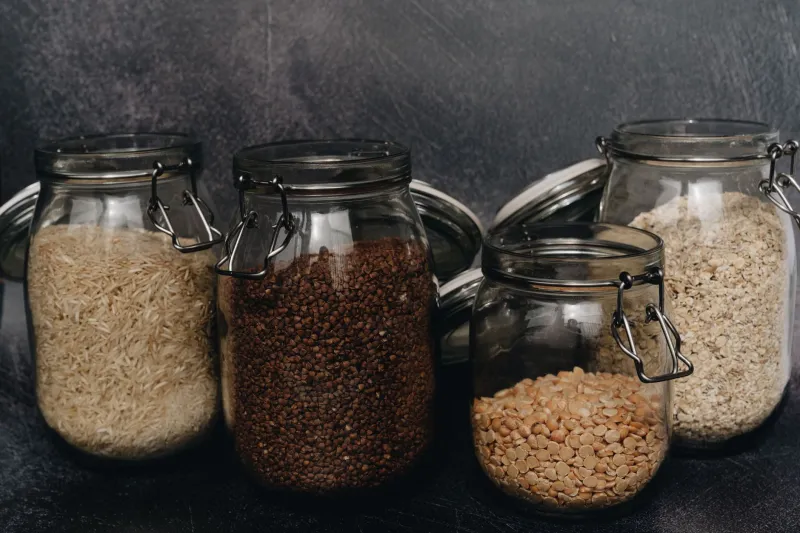
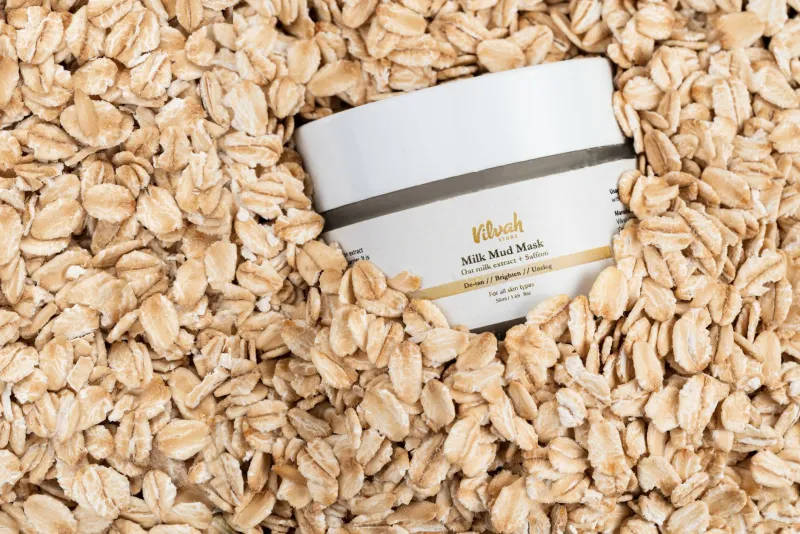
There's a reason oatmeal baths are a fixture of every drugstore's eczema aisle. Oats contain avenanthramides, compounds with documented anti-itch and anti-inflammatory effects. Blend plain oats into a fine powder, mix with water into a paste, and use it as a soothing mask or bath soak.
3. Olive Oil
A tiny amount of olive oil can soften dry patches on the body — elbows, heels, cuticles. Just go easy: it's not ideal for the face, especially if you're acne-prone, since its oleic acid can feed certain breakouts.
4. Avocado
Mashed avocado is rich in fatty acids and vitamin E. As a 10-minute mask on dry skin, it's genuinely hydrating — and honestly, half the time it ends up on toast instead. Both are wins.
5. Plain Yogurt
The lactic acid in full-fat plain yogurt is a gentle chemical exfoliant — a mild cousin of the AHAs in your serums. A thin layer left on for 10–15 minutes can leave skin noticeably smoother. Avoid flavored or sweetened varieties; the added sugar does nothing for you here.
6. Cucumber
Classic for a reason. Cucumbers are over 90% water and contain vitamin K, which is why chilled slices genuinely help depuff tired eyes.
7. Coconut Oil
Fantastic as a makeup remover or body moisturizer — but keep it off your face. Coconut oil is comedogenic, meaning it clogs pores for a lot of people. Body only, and patch-test if you're breakout-prone anywhere.
8. Green Tea
Brewed, cooled green tea is packed with antioxidants called catechins. Use it as a facial mist or soak a cloth in it for a calming compress. Some research even suggests topical green tea helps with sun-damage-related redness.
9. Sugar (Yes, Really)
Fine sugar mixed with a little honey or oil makes a decent lip or body scrub. The granules dissolve as you work, which makes it gentler than crushed-nut scrubs that can cause micro-tears. Never use it on your face, though — facial skin needs a softer touch.
The Danger Zone: 3 Popular Hacks to Skip
Lemon Juice
This one shows up everywhere, and it's the worst offender. Lemon juice is highly acidic (around pH 2) and contains compounds called psoralens that make skin dramatically more sensitive to sunlight. People have ended up with chemical burns and dark spots called phytophotodermatitis — sometimes called "margarita burn" — from citrus plus sun exposure. Hard pass.
Baking Soda
Your skin's acid mantle sits at a pH of about 4.5–5.5. Baking soda clocks in around 9. That pH mismatch disrupts your barrier, leading to dryness, irritation, and breakouts. It might feel smooth for a day, then your skin pays for it for a week.
Undiluted Apple Cider Vinegar
Yes, ACV is a mild acid — but "the dose makes the poison." Straight vinegar applied to skin can cause genuine chemical burns, and there's little evidence it delivers the toner-like benefits people promise. If you're curious about acids, a properly formulated product is safer and more effective, period.
The Bottom Line
Natural doesn't automatically mean gentle, and kitchen doesn't automatically mean safe. The winners on this list — honey, oats, yogurt — have real evidence behind them and a low risk of irritation. The losers are potent in ways your skin never asked for.
Whatever you try, patch-test on your inner arm first, give it 24 hours, and when in doubt, keep it in the kitchen. Your skin barrier will thank you.