That 3 P.M. Snack Attack Isn't Hunger — It's a Signal (Here's How to Read It)
It happens like clockwork. Around 3 P.M., you find yourself standing in front of the pantry, eating crackers you don't even remember grabbing. Twenty minutes later, you're still hungry — and now you feel a little guilty, too.
Here's the thing: that afternoon snack attack isn't a character flaw. It's biology. And once you learn to read what your body is actually asking for, the whole cycle gets a lot easier to break — no white-knuckling required.
Why the Afternoon Hits So Hard
There's a reason the 3 P.M. slump is famous. Several, actually.
Your blood sugar is coming down off lunch. If your midday meal was heavy on refined carbs — a sandwich on white bread, a pasta salad, that vending-machine granola bar — your glucose spiked and now it's dipping. A blood sugar dip reads to your brain like an emergency, and your body demands the fastest fuel available: sugar, salt, crunch.
Cortisol is doing its afternoon thing. Stress hormones naturally fluctuate through the day, and for many of us, late afternoon overlaps with the day's most stressful stretch — deadlines, school pickup, traffic. Elevated cortisol cranks up appetite, especially for high-sugar, high-fat foods.
You're probably a little dehydrated. By mid-afternoon, most of us are hours past our last glass of water. Mild dehydration can masquerade as hunger, which is why a snack sometimes leaves you unsatisfied no matter how much you eat.
And honestly? You might just be tired. Your circadian rhythm includes a natural alertness dip in the early afternoon. When energy drops, the brain reaches for quick fuel.
Decode the Craving Before You Feed It
Next time the kitchen calls, run through this quick mental checklist:
- When did you last drink water? Pour a tall glass and finish it first. Wait ten minutes.
- What did lunch actually look like? Mostly carbs, light on protein? That's your answer right there.
- Am I stressed, bored, or tired? If yes, food won't fix it — but movement or a break might.
- Am I genuinely hungry? Real hunger builds gradually and almost anything sounds good. A craving is specific and urgent (hello, chocolate).
If you're still hungry after the water and the check-in, eat. Just eat strategically.
Pair Your Protein, Steady Your Afternoon
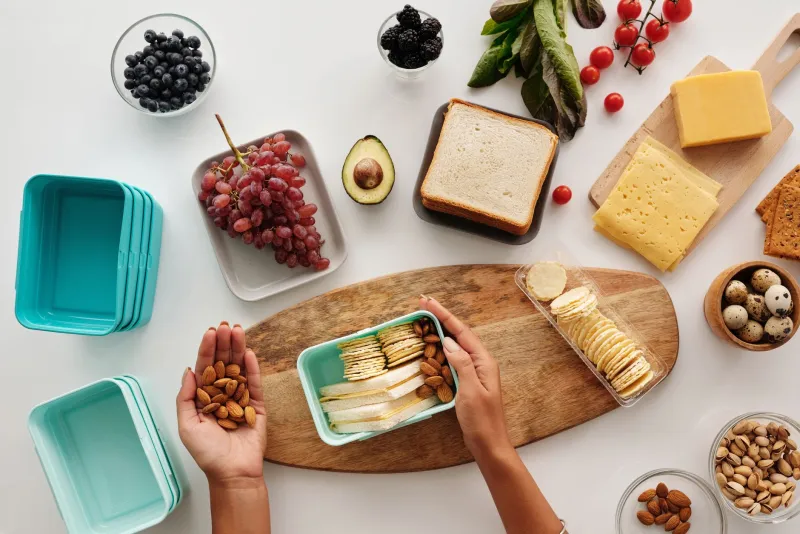
The single best trick for taming the snack attack is what nutrition folks call protein pairing — combining a protein or healthy fat with whatever carb you're craving. Protein and fat slow digestion, which means steadier blood sugar and no crash an hour later.
Some combos that actually taste good:
- Apple slices with a spoonful of peanut or almond butter
- A handful of trail mix with actual nuts in it (not just yogurt-covered raisins)
- Greek yogurt with berries and a drizzle of honey
- Hummus with carrot sticks or whole-grain crackers
- A hard-boiled egg and a clementine
- A small square of dark chocolate with a few almonds
Notice you're not banning anything. You're just making sure the carb never travels alone.
The 10-Minute Walk That Beats the Cookie
It sounds almost too simple, but a short walk after lunch — or right when the craving hits — genuinely changes the picture. Movement helps your muscles pull glucose out of your bloodstream, blunting that post-meal spike and the dip that follows. It also lowers stress hormones and gives your brain the sensory break it may actually be asking for.
Circle the block, walk to the end of the driveway and back a few times, or do a lap around the office. Ten minutes. That's it.
Sip Something Warm Instead
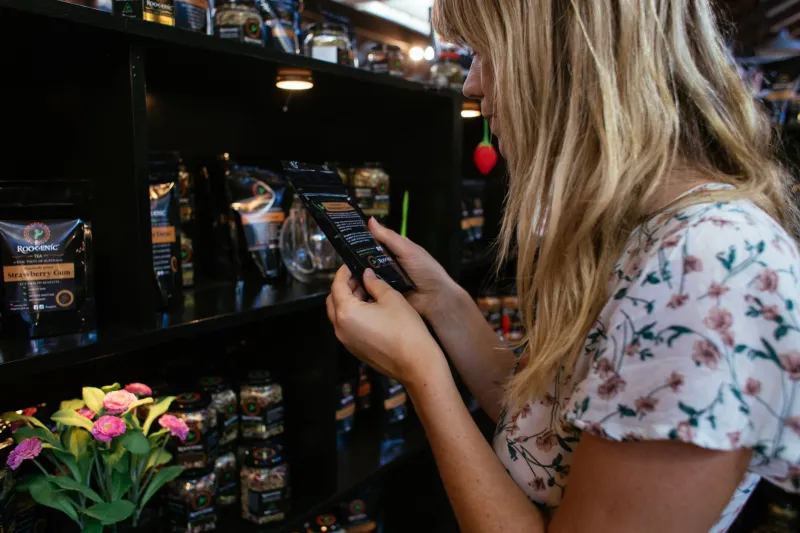
There's a reason afternoon tea is a ritual in so many cultures. A warm mug forces you to slow down, hydrates you, and gives your hands and mouth something to do — which handles a surprising amount of what we call "snacking."
Good afternoon picks:
- Peppermint tea — naturally refreshing, and some research suggests minty scents can take the edge off appetite
- Rooibos — naturally sweet, caffeine-free, and rich in antioxidants
- Cinnamon herbal blends — cinnamon has been studied for its role in supporting healthy blood sugar
- Green tea — a gentle caffeine lift with L-theanine, which smooths out the jitters
Skip the sugary latte. The caffeine-and-sugar combo tends to set you up for an even bigger crash by dinnertime.
Fix the Root: Build a Better Lunch
The 3 P.M. raid is usually a receipt for lunch. If you want the afternoon to run smoothly, build your midday meal around three things:
- Protein (chicken, beans, lentils, eggs, tofu, fish)
- Fiber (vegetables, whole grains, legumes)
- Fat (avocado, olive oil, nuts, seeds)
A big salad with chickpeas and olive oil vinaigrette will carry you to dinner. A bagel alone will not. It's not about eating less — it's about eating in a way that keeps your energy on an even keel.
The Bottom Line
Your body isn't sabotaging you at 3 P.M. — it's communicating. Water first, then a check-in, then a protein-paired snack or a quick walk if you still need something. Fix your lunch, keep the tea kettle handy, and the kitchen raid starts losing its grip.
No willpower battles. No guilt. Just a little listening — which, honestly, is what natural living has been about all along.