Reading Between the Labels: What 'Hormone-Safe' Cosmetics Are Really Promising You
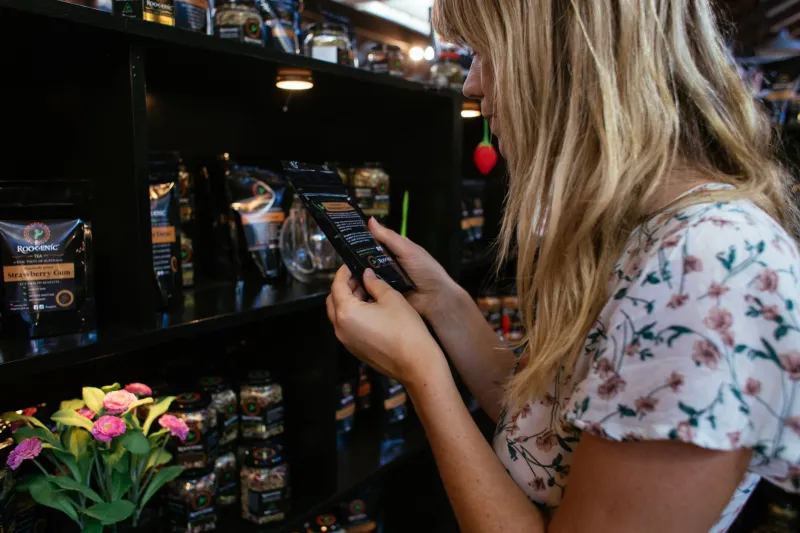
Walk down the personal care aisle of any Target or Whole Foods lately and you'll spot it: a new wave of badges promising products are "hormone-safe," "endocrine disruptor-free," or "estrogen-friendly." It sounds reassuring. It's also vague enough that two products wearing similar claims could have very different ingredient realities.
So what's actually behind this language—and what should a wellness-minded shopper do with it?
First, a Quick Primer on Endocrine Disruptors
Your endocrine system is the network of glands and hormones that regulates everything from metabolism to mood to reproduction. Certain chemicals—phthalates, some parabens, certain UV filters, and bisphenols, among others—have been studied for their ability to interfere with hormone signaling, sometimes at very low doses.
The tricky part? Dose, exposure route, and timing all matter, and the science on many of these ingredients is still evolving. Regulators in the US have moved slower than their counterparts in the EU, which is partly why independent certifications and retailer bans have stepped in to fill the gap.
Why the Claims Are Suddenly Everywhere
Consumer demand is doing the regulatory heavy lifting. Major US retailers have published restricted-substance lists that phase out certain phthalates and parabens across the beauty aisle, and brands have responded by marketing directly to that concern. "Clean" became a selling point, then a crowded one—so labels got more specific.
"Endocrine disruptor-free" is the latest evolution. It sounds scientific. But here's the catch: there's no single federal definition of the term, no standardized testing requirement, and no government body verifying it before it goes on a box.
What the Experts Say
Dermatologists I spoke with while researching this piece made a consistent point: the claim itself isn't meaningless, but it's not a guarantee either. A product can be formulated without the most-studied endocrine disruptors and still contain fragrance mixtures or preservatives that haven't been evaluated through that lens.
Environmental health researchers add a second layer: "free" claims can't account for your total exposure. You might choose a disruptor-free lotion, then absorb similar compounds from a scented candle, a receipt printed on thermal paper, or a canned food lining. The label on one product is a data point, not a full picture.
The practical takeaway from both camps: treat the claim as a signal that a brand is paying attention, then verify it with something more rigorous.
Certifications That Actually Mean Something
Not all badges are created equal. These carry third-party verification behind them:
- EWG Verified — requires meeting EWG's strictest criteria, including avoiding ingredients on its endocrine-disruption watch lists.
- Made Safe — screens formulations against a hazard database that includes known and suspected endocrine disruptors.
- USDA Organic (for personal care) — meaningful when it appears, though rare for cosmetics; it certifies agricultural ingredients, not hormone safety per se.
- B Corp or Leaping Bunny — not endocrine-specific, but they indicate a brand submits to outside accountability, which correlates with more transparent formulations.
A self-declared "hormone-safe" stamp designed in-house by the brand's own marketing team? That's the one to be skeptical of.
Your Five-Point Aisle Checklist
Before anything goes in your cart, run it through this:
- Scan for the usual suspects. Fragrance/parfum (an umbrella term that can hide phthalates), parabens, and "chemical" sunscreen filters are the fastest things to spot.
- Look for third-party verification, not just brand-created badges. If the certification isn't backed by an organization you can look up, it's decoration.
- Check the ingredient list length and transparency. Brands confident in their formulas tend to list everything, including what's inside "fragrance."
- Prioritize leave-on products. Things that sit on your skin all day—lotions, sunscreen, lip products—deserve more scrutiny than a rinse-off soap.
- Don't let perfect be the enemy of good. Swapping your highest-use products first (daily moisturizer, deodorant) delivers more real-world benefit than overhauling everything at once.
The Bottom Line
"Endocrine disruptor-free" labels reflect a genuinely positive shift—brands are reformulating because shoppers asked. But the claim is a starting point for your research, not the finish line. Read past the front of the package, lean on verified certifications, and remember that the most powerful label-reading happens in the ingredient list, where the marketing department has less room to spin.