Before You Mow: 7 Backyard 'Weeds' That Earned a Spot in My Apothecary
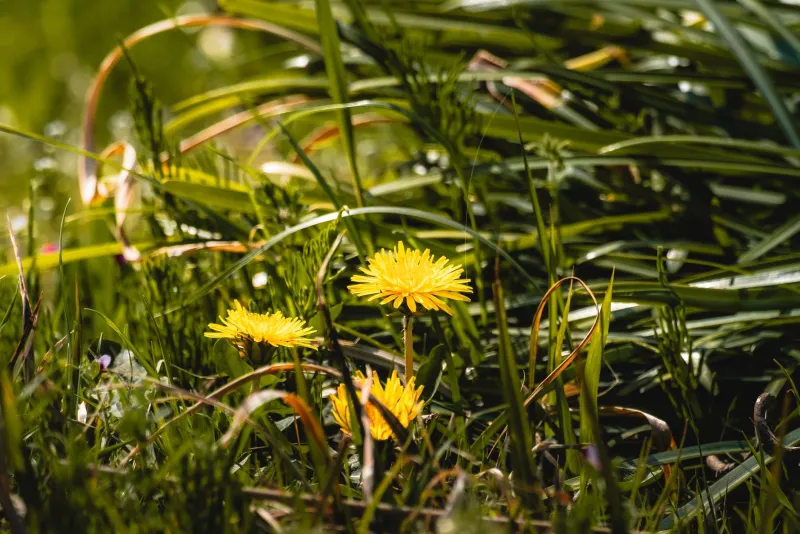
Last spring, my neighbor watched me kneel in my yard, scissors in hand, carefully snipping what he assumed were weeds. He offered to spray the whole lawn for free.
I thanked him and kept harvesting my medicine.
Here's the thing most of us were never taught: some of the most studied medicinal plants in North America don't grow in fancy apothecaries or supplement store shelves. They grow in the crack in your driveway, at the edge of your fence line, and yes — all over your lawn. Before this stuff was 'wellness,' it was just what people used, because it worked and it was free.
So grab a field guide and your reading glasses. Let's meet seven plants you've probably stepped over a thousand times.
1. Plantain (Plantago major and lanceolata)
Not the banana cousin — the leathery, ribbed rosette of leaves that seems to thrive where nothing else will. If you've got compacted soil or a well-worn footpath, you've got plantain.
What it's good for: Plantain leaves contain a compound called aucubin, and lab studies have shown the leaves have anti-inflammatory and antimicrobial properties. Traditionally, it's the go-to for bug bites, stings, and minor scrapes. Chew a clean leaf (if you're sure it's clean) and slap it on a mosquito bite — the itch relief is genuinely noticeable.
How to use it: Infuse the leaves in oil for a homemade salve, or make a strong cooled tea as a topical wash.
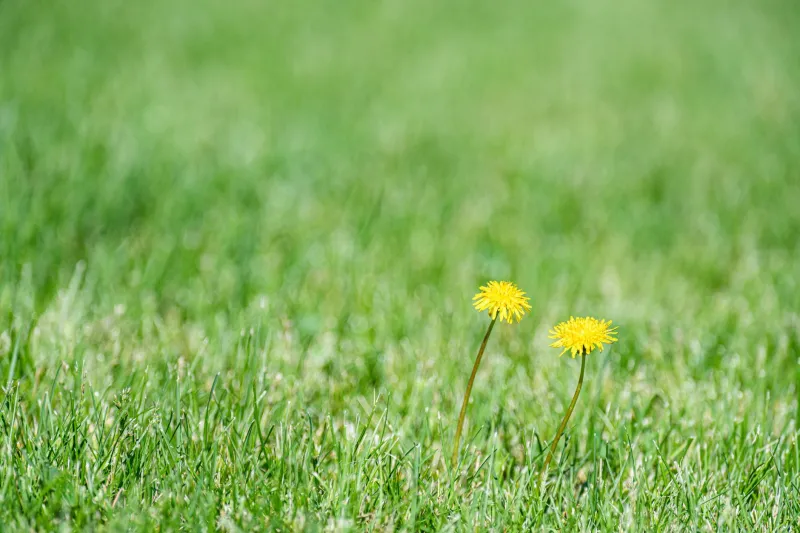
2. Dandelion (Taraxacum officinale)
The most slandered plant in suburbia. Every part of it is usable, and it has centuries of traditional use as a liver and digestive bitter.
What the research says: Dandelion greens are legitimately nutrient-dense — more vitamin K than spinach by weight — and animal studies suggest the root may support liver function and act as a mild diuretic. A small human study found dandelion extract increased urination, which tracks with its traditional use for bloating.
How to use it: Young spring leaves in salads (bitter, in a good way), roasted roots as a coffee alternative, flowers infused into oil for skin.
3. Chickweed (Stellaria media)
Those tiny white star-shaped flowers in your cool-season garden beds? That's chickweed, and it's one of the gentlest plants on this list.
What it's good for: Chickweed has a long folk history for soothing itchy, irritated skin — think eczema flare-ups and diaper rash. Modern lab research on its anti-inflammatory compounds is still early, but its traditional track record spans centuries and continents.
How to use it: Fresh-picked, it's mild and slightly sweet in salads. As a poultice or infused-oil salve, it's a classic for irritated skin.
4. Violet (Viola sororia)
The heart-shaped leaves and purple flowers that pop up in lawns across the Midwest and East Coast are edible and mildly medicinal.
What it's good for: Violet leaves and flowers are rich in antioxidants and have traditional use as a soothing lymphatic and skin remedy. The flowers make a gorgeous (and honestly delightful) spring syrup.
How to use it: Flower syrup for cocktails and pancakes, leaves in early spring salads, or dried for a gentle tea.
5. Purple Dead Nettle (Lamium purpureum)
That fuzzy pink-purple plant taking over garden beds in early spring isn't stinging nettle — it's dead nettle, and it won't hurt you.
What it's good for: It's a traditional spring tonic herb, high in antioxidants and used historically for seasonal allergies and as a poultice for minor wounds. The research is thin but promising; the traditional use is extensive.
How to use it: Toss it in smoothies, dry it for tea, or infuse it in oil for skin salves.
6. Yarrow (Achillea millefolium)
The feathery leaves and flat-topped white flower clusters found in fields and unmowed lots from coast to coast.
What it's good for: Yarrow's traditional nickname is 'soldier's woundwort' — it was used on battlefields to slow bleeding. Modern research supports its anti-inflammatory and wound-healing properties, and one clinical trial found a yarrow-based ointment comparable to standard topical treatment for certain skin conditions.
How to use it: Infused oil for salves, or flowers and leaves as a tea. Skip it if you're pregnant or allergic to plants in the daisy family.
7. Cleavers (Galium aparine)
The sticky plant that clings to your pant legs. Yes, that one.
What it's good for: Traditionally used as a gentle lymphatic and urinary tonic — think 'spring cleanse' tea. It's mostly water and gentle plant compounds, which is exactly why it's beloved by herbalists for kidneys and skin.
How to use it: Best fresh, as a cold infusion — steep a handful in a jar of water overnight and strain.
Foraging Safety: Read This Part Twice
Before you put anything from your yard in your mouth:
- Never harvest from treated lawns. Pesticide and herbicide residues don't wash off. If the lawn's been sprayed in the last year, pass.
- Avoid roadsides and utility corridors. Road runoff and old soil contaminants concentrate along the edges.
- Identify with 100% certainty. Use multiple field guides or apps, and ideally confirm with a local foraging group. Some toxic lookalikes exist for these plants.
- Start small. Try a tiny amount of any new plant and wait 24 hours before eating more.
- Check your region. Poison ivy hides in the same spaces. When in doubt, don't.
When to Harvest: A Rough Regional Calendar
- Northeast & Midwest: Chickweed and dead nettle peak April–May; dandelion greens are best early spring; violets bloom April–June; yarrow and plantain are best in early summer.
- Southeast: The cool-season plants (chickweed, dead nettle) show up as early as February and fade by April. Dandelion and violet come fast and early.
- Southwest: Look for these after winter rains; much of the year is too dry for tender greens.
- Pacific Northwest: A long, generous season — chickweed and cleavers can persist nearly year-round in mild pockets.
The Real Takeaway
I'm not telling you to ditch your medicine cabinet — please don't. What I am saying is that the plants we spend billions eradicating every year have real histories, real research behind them, and real places in a natural home apothecary.
The next time you see a dandelion pushing through the sidewalk, that's not a weed. That's a plant that's outlived empires, feeding bees and healing people the whole way.
Maybe the most natural thing we can do is let a corner of the yard go wild — and see what grows.
As always, this is educational content, not medical advice. Talk to your doctor before using herbal remedies, especially if you're pregnant, nursing, or on medication.