Ninety Days, Every Receipt: The Real Price Tag on My Natural Living Switch
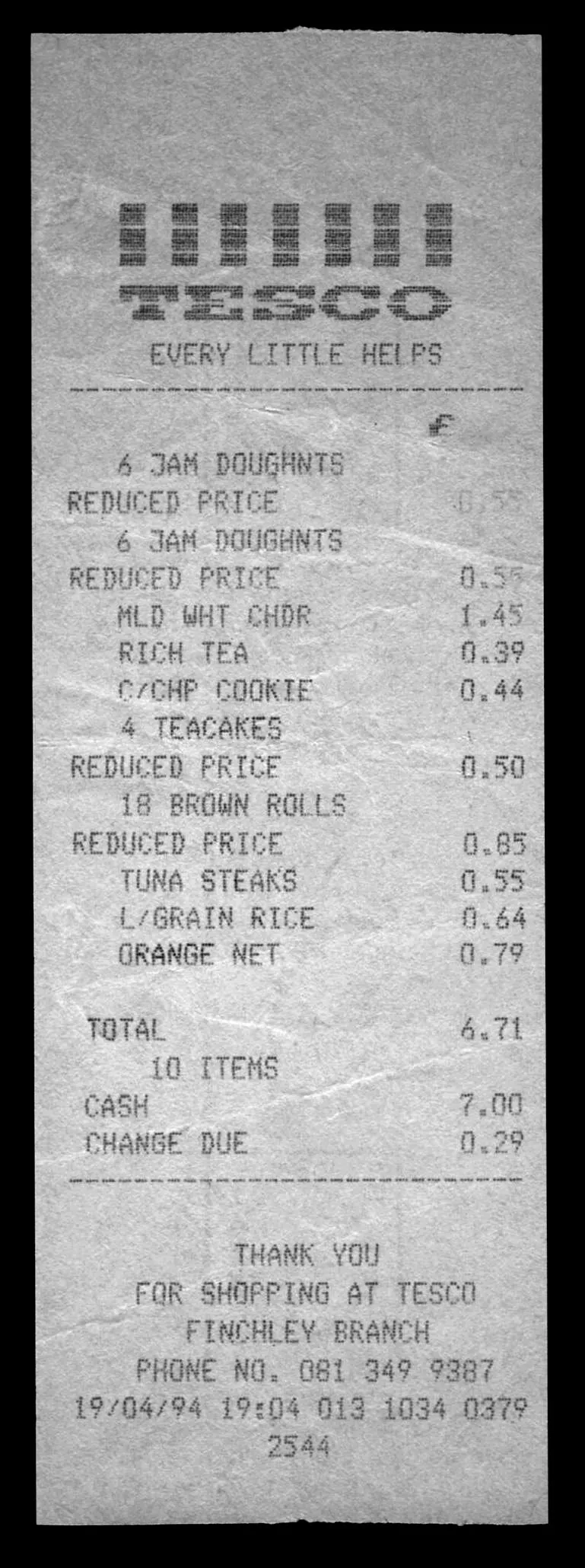
Photo: Tesco, Public domain, via Wikimedia Commons
Nobody warns you that going natural comes with a spreadsheet. For 90 days, I saved every single receipt — the grocery runs, the pharmacy pickups, the farmers market cash, the one embarrassing $32 face oil I bought at 9 p.m. on a Tuesday. I wanted a real answer to the question every wellness blog dances around: what does this lifestyle actually cost?
Here's the honest math, split into the swaps that paid for themselves and the ones that paid for somebody's marketing department.
The Setup: What I Was Spending Before
My baseline was ugly. Between convenience food, drugstore skincare, and the occasional "treat yourself" wellness splurge, I averaged about $610 a month across food, personal care, and household basics. That's a single adult in the Midwest, for reference — your numbers will shift based on where you live and how many mouths you're feeding.
The goal wasn't to spend less at all costs. It was to see whether the natural version of my life was genuinely more expensive, or whether that's just what the marketing wants us to believe.
Where the Money Actually Went
The Wins: Cheap Swaps That Outperformed
Dried beans and bulk grains. Canned beans were running me about $1.30 a can. A one-pound bag of dried beans costs roughly $2 and cooks up into the equivalent of three cans. Over 90 days, this one swap saved me around $40 — and the flavor difference after an overnight soak isn't even close.
Baking soda and vinegar, the dynamic duo. I replaced a countertop cleaner, a produce wash, and half my skincare routine with two items that cost under $4 combined. My old cleaning spray alone was $5 a bottle, replaced monthly. That's $15 saved per quarter on one product.
Making my own oats-and-honey face mask instead of buying one. The fancy version at the natural foods store: $24. The homemade version from ingredients I already owned: pennies. My skin genuinely couldn't tell the difference.
Herbal tea in bulk instead of bottled drinks. Kombucha, sparkling water, iced tea — I was dropping $25–$30 a month on bottles. A $12 bag of loose tea plus a mason jar on the porch covered most of that habit.
The Traps: Where 'Premium Natural' Got Me
Not everything was a win, and I'd rather you learn from my receipts than repeat them.
The $38 organic face serum. Look, some of it was lovely. But I later noticed the first three ingredients were the same ones in a $9 bottle from the same store. The word "botanical" on a label costs money — and that cost gets passed to you.
Single-serve natural snacks. Organic crackers in individually wrapped portions ran nearly triple the price per ounce of making them at home or buying a standard bag and portioning it myself.
Supplement stacking. I started with one adaptogen and somehow ended up with five bottles. None of them were cheap, and I can't point to what any single one did. If I hadn't tracked the spending, I never would have noticed I'd added $70 a month of pills to the budget.
Artisanal everything. Small-batch granola at $11 a bag is a luxury, not a lifestyle requirement. My stovetop version costs about $3 and tastes better warm.
The Final Tally
Month one ran slightly over baseline — natural. You're stocking pantry staples and replacing products all at once. Month two dropped to about $545, and month three settled around $515. That's roughly $95 a month less than where I started, once the one-time pantry investments paid off.
The pattern was consistent: whole foods and single ingredients are cheap; packaged natural products are not. The closer something stays to its original form — a bag of oats, a bar of plain soap, a bunch of carrots with the tops on — the less the wellness markup has room to hide.
How to Budget Your Own Switch
If you're thinking about making the move, here's what I'd tell my past self:
- Swap one category per month, not everything at once. Front-load the cheap wins: pantry staples, cleaning basics, skincare.
- Price per ounce, not per sticker. The bulk bin beats the boutique bag almost every time.
- Cap your supplement budget before you walk into the store. Mine is $25 a month now, and my cabinet is calmer for it.
- Keep your receipts for 30 days. You'll spot your own premium-natural traps faster than any article can.
Going natural doesn't have to mean going broke. In my case, it mostly meant spending the same money on better things — and cutting out the $32 serums I bought because the bottle looked pretty on the shelf.